
IdaGem Resources Portal
Welcome to the IdaGem Resources Portal, your central hub for the Wassmuth Center’s innovative IdaGem Social Studies and English Languages Arts curriculum. Designed for elementary classrooms, IdaGem invites students to embark on an immersive journey through Idaho’s rich history, blending the interactive excitement of an online game with engaging classroom instruction. This portal provides educators with seamless access to the curriculum’s dynamic tools, including lesson plans, primary and secondary source materials, classroom extensions, and teacher manuals. Rooted in Idaho’s Social Studies Standards and informed by insights from Idaho’s diverse communities, IdaGem empowers students to explore the state’s vibrant past while fostering critical thinking and a sense of belonging. Let’s shape a brighter future for Idaho by learning from its history—together.
IdaGem Quests
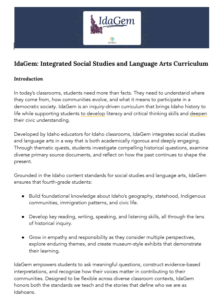
Introduction
Central to IdaGem are 15 quests (or units) that cover a wide range of key people, places, events, and time periods. Each quest includes 12 – 20 carefully selected primary and secondary sources. Complex texts have been adapted to a fourth grade reading level. Students complete an entry in their Idaho Travelogue as they examine each source, developing their understanding of the topic and improving their ability to think like a historian. At the end of each quest, students create a museum exhibit and accompanying interpretive sign to share their learning.
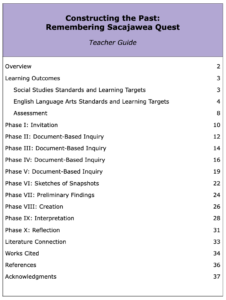
Constructing the Past: Remembering Sacajawea
Overview
This quest introduces students to the life and legacy of Sacajawea in order to deepen their understanding of history, cultural significance, and the role of individuals in shaping our world. The guiding question “Who was Sacajawea and why do we remember her?” directs students to investigate her life, contributions to the Lewis and Clark Expedition, and enduring role in Idaho history. By asking “How should we remember?” students are invited to explore the concept of memory and its impact on history.
Seeking Better Fortune: Early Chinese Immigrants Come to Idaho
Overview
This quest provides a meaningful way to explore themes of migration, cultural integration, and resilience. The essential question “How do you know when to stay and when to go?” prompts students to think about the factors that influence decisions to migrate. This includes economic opportunities, social conditions, and personal aspirations. “What happened to early Chinese immigrants who came to Idaho?” directs students to specifically investigate the experiences of these immigrants. This includes understanding the challenges early Chinese immigrants faced such as discrimination and legal barriers, as well as their contributions to the community and economy. By exploring why people migrate and what happened to early Chinese immigrants in Idaho, students gain valuable insights into the complexities of immigration and the importance of recognizing the diverse contributions to the history of Idaho.
Moving a Nation: Chief Joseph and the Nez Perce
Overview
In this quest students explore leadership, perseverance, and the forces that drive people to action within the story of Chief Joseph and the Nez Perce War. The essential question “What moves people?” invites students to consider the various factors that motivate human behavior and decisions, such as survival, justice, freedom, and cultural preservation. “How did Chief Joseph lead his people?” prompts students to explore Chief Joseph’s leadership qualities and approaches. Learning about Chief Joseph and the Nez Perce War provides students with insights into American Indian history and the impact of westward expansion on Indigenous communities.
Mystery in the Trees: The Basque Community
Overview
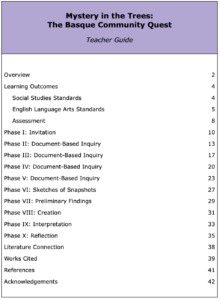
This quest invites students to explore Basque history in Idaho and the impact of cultural diversity on local communities. Students explore the contributions of immigrants and reflect on their own aspirations and the legacies they wish to create. The essential question “What mark do you hope to leave?” prompts students to think about their personal goals, values, and the impact they want to have on their community and the world. “How have immigrants from the Basque Country left their mark on Idaho’s history and culture?” directs students to investigate the important historical contributions of Basque immigrants. By examining how members of the Basque community have left their mark on Idaho, students can draw parallels to their own lives. This provides students a way to think about how they can make meaningful contributions to their community, fostering a sense of civic responsibility.
Facing History: The Bear River Massacre
Overview
This quest introduces students to the Bear River Massacre and invites them to develop a deeper appreciation for history and the importance of learning from past events. The essential question “Does facing history help us create a better future?” prompts students to think about the importance of understanding and acknowledging historical events as well as the challenges of learning about painful or controversial histories. “What really happened at Bear River?” directs students to investigate the events of the Bear River Massacre, exploring various sources and perspectives to understand the complexity of historical narratives. Learning about the Bear River Massacre helps students understand the suffering experienced by the Shoshone people and fosters compassion and reflection.
Uncovering the Extraordinary: Eagle Rock Speaks
Overview
This quest invites students to explore the history of the Boise valley and the importance of public spaces. The essential question “What is extraordinary about the seemingly ordinary?” prompts students to look closely at their surroundings and consider the deeper meanings and histories behind everyday objects and places. “What is extraordinary about Eagle Rock Park?” directs students to investigate a specific location in the Boise Valley, uncovering its historical, cultural, and natural significance. This promotes inquiry and encourages students to see beyond the surface of their everyday surroundings and to appreciate the hidden stories that make their community unique.
Boom, Bust, and Beyond: Gold Fever Strikes Idaho
Overview
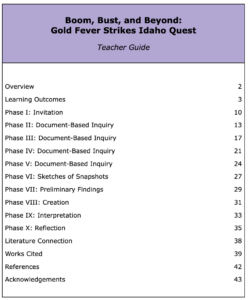
This quest invites fourth grade students to explore the gold rush and the development of boom towns in Idaho in order to gain an understanding of economic principles, historical significance, and the social dynamics that shaped our state. The essential question “What gives something value?” prompts students to consider different factors that contribute to the value of objects and resources, including scarcity, utility, and demand. “Why is the discovery of gold and other minerals important to the history of Idaho?” directs students to investigate the economic, social, and environmental impact of mineral discoveries in Idaho. This quest encourages students to think critically about the concept of value, the transformative impact of natural resources, and the lasting effects of historical events on local communities.
Shifting Stewardship: The Dispute Over Lake Coeur d'Alene
Overview
This quest invites fourth grade students to explore the history of Lake Coeur d’Alene and to understand the importance of environmental stewardship and the impact of human activity on natural resources. The essential question “How can we be responsible stewards of our limited resources?” prompts students to think about the importance of conservation, sustainable practices, and the responsible use of natural resources. “What happened to Lake Coeur d’Alene, and what might the future hold?” directs students to investigate the historical changes and environmental challenges faced by Lake Coeur d’Alene. This promotes a way for students to use these questions to explore how past decisions and actions have shaped the present state of Lake Coeur d’Alene and what can be done to ensure a healthier future for the lake and surrounding areas.
Food on the Table: Braceros Lead the Way
Overview
This quest invites fourth grade students to explore the Bracero Program and its impact on Idaho’s agriculture in order to understand the contributions of often overlooked communities and the significance of migrant labor in shaping local and national history. The essential question “How do we make the invisible visible?” prompts students to think about how history is recorded and whose stories are told. This encourages them to investigate and bring to light the contributions of those who are often overlooked or marginalized in traditional historical narratives. “Who were the Braceros and how have they shaped agriculture in Idaho?” directs students to explore the specific contributions of the Bracero workers, providing a focused inquiry into how these individuals influenced the development of Idaho’s agricultural industry. This promotes inquiry skills and analytical thinking as they assess the program’s impact on history.
We Belong: Idaho Women Lead
Overview
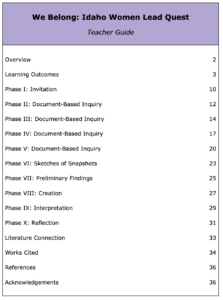
This quest invites fourth grade students to uncover the often underrepresented contributions of women to our state’s development and progress as they explore women’s history in Idaho. The essential question “Whose stories haven’t we heard yet?” prompts students to think about the gaps in historical narratives and the importance of uncovering and highlighting stories that have been overlooked or marginalized. “How have women contributed to Idaho’s progress?” directs students to investigate the specific achievements and roles of women in Idaho’s history. By exploring whose stories haven’t been heard, students are empowered to recognize and value the contributions of all individuals, regardless of gender. This promotes a sense of inclusivity and respect for diverse voices in history.
Changing Landscapes: Idaho Dams
Overview
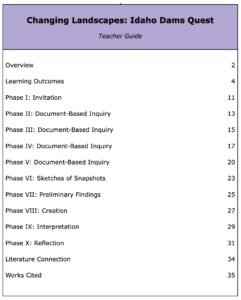
This quest allows fourth grade students to understand the multifaceted impact of technological and environmental changes on their state, as it pertains to the role of dams in Idaho. The essential question “What are the challenges and opportunities that come with change?” prompts students to consider how changes in the environment and infrastructure, such as the construction of dams, create both benefits and potential problems. “What do dams change?” directs students to investigate the specific effects of dams on various aspects of life, including water supply, wildlife habitats, and local economies. This promotes students’ insight into the complexities of technological solutions and the importance of balancing progress with environmental and social considerations.
Secrets of the Desert: Japanese American Incarceration at Minidoka
Overview
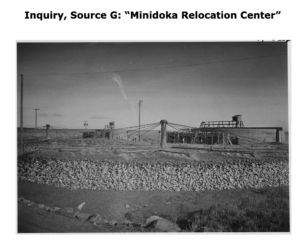
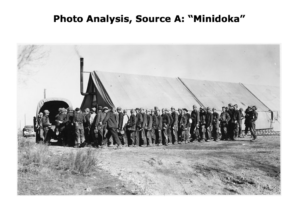
This quest invites fourth grade students to explore the Minidoka Japanese Incarceration Camp to better understand the complex history of incarceration during World War II. The essential question “Why are some things kept secret?” prompts students to think about why certain historical events or actions might be concealed or downplayed. Learning about what happened at Minidoka helps students understand a significant and troubling chapter in American history. It provides insight into the experiences of Japanese Americans who were forcibly interned and the impact of government policies on their lives. This promotes student insight into the complexities of history and the importance of transparency and justice as they explore what happened at Minidoka.
Atomic City: Innovation in Idaho
Overview
This quest invites fourth grade students to explore the history of Atomic City in Idaho in order to understand the complex interplay between scientific innovation, risk, and discovery. The essential question “What is worth the risk?” prompts students to think about the balance between potential benefits and possible dangers in scientific and technological advancements. The question “What did Idaho’s scientific pioneers discover?” directs students to explore the specific contributions of scientists and researchers in Atomic City and the broader Idaho area. This promotes students to explore how discoveries made in Atomic City have influenced modern science, technology, and daily life.
Dignity for All: Pursuing Civil Rights in Idaho
Overview
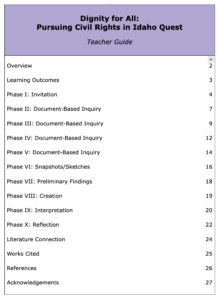
By exploring the history of Civil Rights in Idaho, This quest invites fourth grade students to explore the history of Civil Rights in Idaho and gain a foundational understanding of equality, justice, and community involvement. The essential question “How do we create a community where all people are treated with dignity?” prompts students to consider the values of respect and empathy in building a just community. The question “How have Idahoans worked to make sure all people are treated fairly?” directs students to explore the specific actions and initiatives taken by individuals and groups in Idaho to promote civil rights and equality. This promotes an appreciation of the role of local heroes and community efforts in advancing social justice.
The Right to Rule: Understanding Sovereignty
Overview
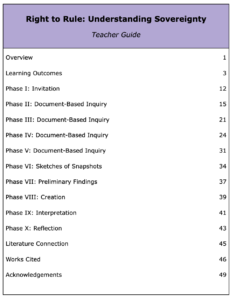
This quest invites fourth grade students to understand the concept of self-governance and the rights of Indigenous tribes to manage their own affairs in regards to tribal sovereignty in Idaho. The question “Who has the right to rule?” prompts students to consider different forms of governance and who has the authority to make decisions for a community. This encourages them to think about the principles of leadership and authority in various contexts, including tribal, local, state and the national level. By exploring who has the right to rule, students learn about the concept of sovereignty and the significance of self-governance for Indigenous tribes. This promotes an understanding of different governance structures and the importance of respecting each community’s right to self-determination.
Historical Thinking Minilessons
Minilesson Teacher Guide (Start Here)
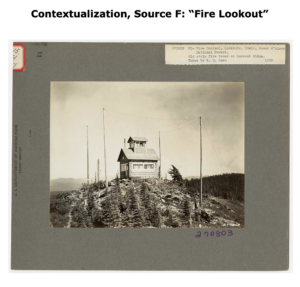
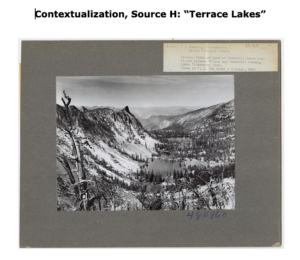
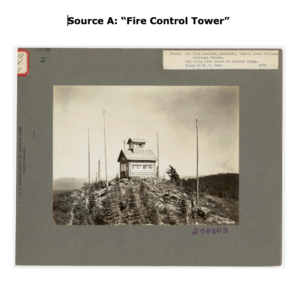
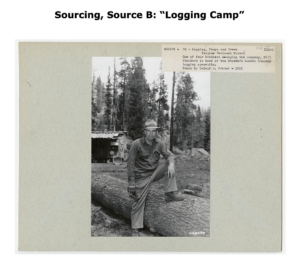
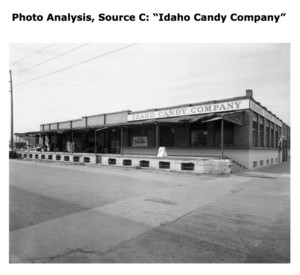
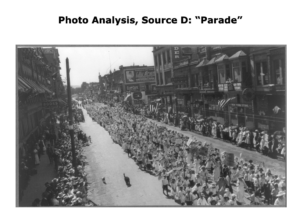
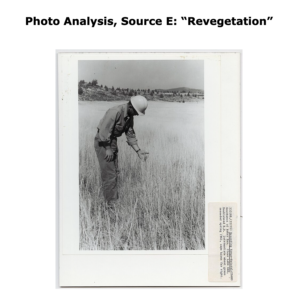
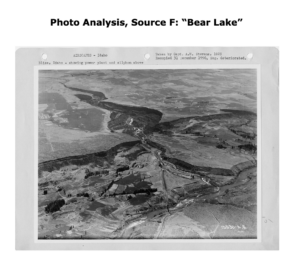
This series of lessons aims to cultivate historical thinking skills among fourth grade students through the analysis of historical photographs. By implementing specific protocols across four domains – contextualization, sourcing, inquiry, and photo analysis – students develop critical thinking abilities that extend beyond the classroom, fostering informed citizenship and enhancing overall academic performance.
Contextualization
Overview
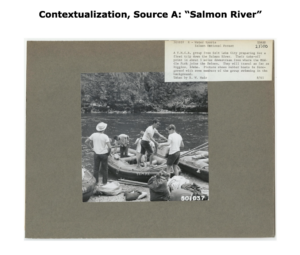
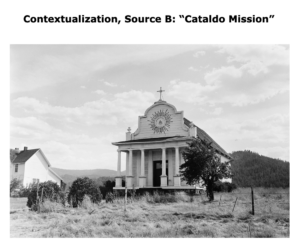
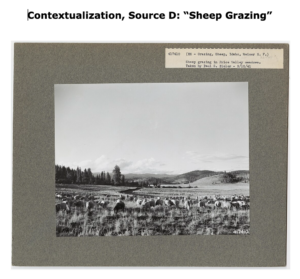
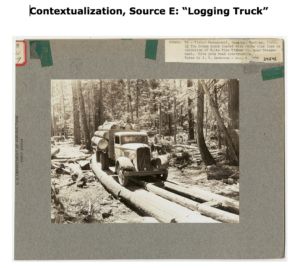
This protocol teaches students to place historical photographs within a broader historical, social, and/or cultural context. By considering the time period and circumstances surrounding the creation of an image, students develop a more nuanced understanding of historical events and learn to avoid presentism. This approach encourages consideration of multiple perspectives and enhances overall historical comprehension.
Sourcing
Overview
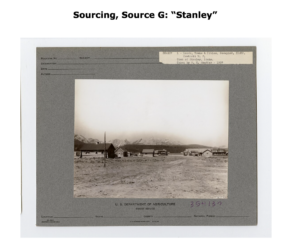
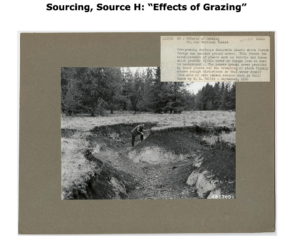
In this protocol, students learn to evaluate the origin of historical photographs, identifying creators, time periods, and purposes. This protocol develops critical thinking skills by teaching students to question the reliability and potential biases of historical sources. These skills are particularly valuable in today’s information-rich environment, contributing to improved media literacy.
Inquiry
Overview
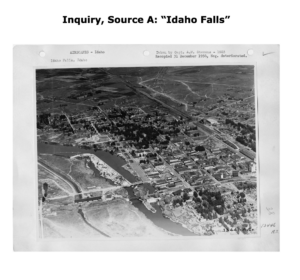
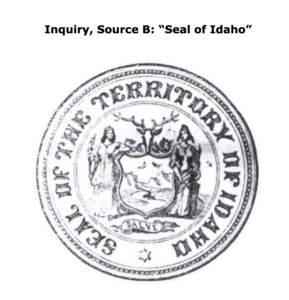
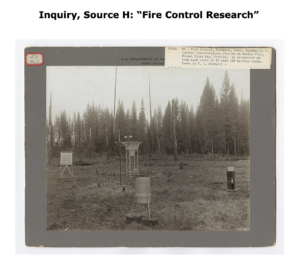
This protocol encourages students to formulate questions about historical photographs, promoting curiosity and active engagement with primary sources. By learning to ask meaningful historical questions, students become independent thinkers and develop a deeper interest in historical exploration.
Photo Analysis
Overview
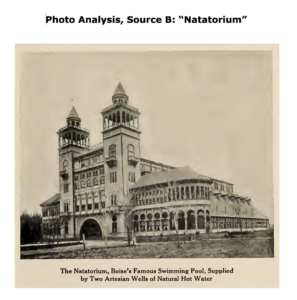
Students learn to systematically examine visual elements within historical photographs, treating images as texts to be “read” and interpreted. This protocol enhances visual literacy, teaches students to notice details and make evidence-based inferences, and improves observational skills applicable across various subjects.
Instructional Strategies Library
Historical Thinking Protocols
Contextualization
This protocol teaches students to place historical photographs within a broader historical, social, and/or cultural context. By considering the time period and circumstances surrounding the creation of an image, students develop a more nuanced understanding of historical events and learn to avoid presentism. This approach encourages consideration of multiple perspectives and enhances overall historical comprehension.
Sourcing
Students learn to evaluate the origin of historical photographs, identifying creators, time periods, and purposes. This protocol develops critical thinking skills by teaching students to question the reliability and potential biases of historical sources. These skills are particularly valuable in today’s information-rich environment, contributing to improved media literacy.
Inquiry
This protocol encourages students to formulate questions about historical photographs, promoting curiosity and active engagement with primary sources. By learning to ask meaningful historical questions, students become independent thinkers and develop a deeper interest in historical exploration.
Photo Analysis
Students learn to systematically examine visual elements within historical photographs, treating images as texts to be “read” and interpreted. This protocol enhances visual literacy, teaches students to notice details and make evidence-based inferences, and improves observational skills applicable across various subjects.
Analyzing Sources
In this protocol, students use textual evidence to analyze a historical source by highlighting key details and making inferences using the explicit evidence presented in the source.
Exploring Significance
In this protocol, students are guided through a series of questions to identify specific details and infer meanings.
Understanding Perspectives
In this protocol, students use evidence from a source to demonstrate their understanding of possible historical perspectives about a given topic.
Reading Protocols
Close Reading
This reading protocol supports comprehension of more complex texts.
Close Viewing
This protocol invites students to analyze images to help foster a growing understanding of a topic.
Differing Perspectives
This reading protocol invites students to find differing perspectives and supporting details within the same or different texts.
Double Bubble Thinking Map
In this protocol, students visually identify similarities and differences between two ideas, people, or events in order to brainstorm and organize their ideas.
Identifying Evidence
This protocol supports students in reading or viewing a text closely and identifying specific details that help them better understand a complex question.
Jigsaw
Students practice closely reading and summarizing texts in this protocol. They share the main points with their peers and listen to their peers share about related texts.
Main Idea and Supporting Details
In this protocol, students are supported to read critically and determine the purpose in texts.
Mark the Text
In this protocol, students identify elements of the text, including key terms, main ideas, and supporting details. This active engagement with the text supports deeper understanding.
Vocabulary Protocols
Antonyms and Synonyms
In this protocol, students use reference materials and context clues to develop their understanding of vocabulary words.
Bubble Mapping for Meaning
This protocol uses a bubble map to determine and clarify the meaning of unknown or multiple-meaning vocabulary words drawn from specific sources.
Context Clues
In this protocol, students use known words to figure out the meaning of unknown words. Through context clues, students infer the definition of important vocabulary in the text.
Frayer Model
In this protocol, students build their understanding of unfamiliar vocabulary terms.
Mark the Text for Unknown Words
In this protocol, students identify unfamiliar words and brainstorm together possible definitions based on prior knowledge, affixes and roots, and context clues.
Word Illustrator
In this protocol, students are supported to make connections between words or phrases and visual representations.
Word Parts
This vocabulary protocol introduces students to common Greek and Latin affixes and roots to support their understanding of vocabulary words.
Word Sort
In this protocol, students develop an understanding of the meaning of unknown words and phrases.
Writing Protocols
3-2-1
In this protocol, students reflect on their learning and consolidate their understandings.
Circle Thinking Map
This writing protocol invites students to use visuals for organizing topics and exploring ideas for longer writing tasks.
Exit Ticket
This protocol formatively assesses developing understandings by inviting students to share their thinking while quickly practicing informal writing skills.
Interactive Gallery Walk
In this protocol, Students collaboratively engage with content through movement, observation, and discussion.
Interview Questioning
In this protocol, students consider first-person experiences, enhance their understanding of an event or topic, and develop empathy for others.
Letter Craft
In this protocol, students are supported in writing a formal letter to a specific audience.
Praise - Question - Polish (PQP)
In this protocol, students work collaboratively to provide meaningful feedback on each other’s written work as part of the revision process.
Quick Write
In this protocol, students routinely practice expressing their thoughts quickly through writing.
Rank, Talk, Write
This writing protocol invites students to deepen their understanding of the subject matter, develop their ability to evaluate information critically, and strengthen their communication and teamwork skills.
Storyboard
The Storyboard writing protocol is a creative, visual approach for sharing ideas and connecting with a concept, text, or activity.
Sum It Up
The Sum It Up writing protocol is a writing strategy aimed at helping students distill key information and main ideas from a text or lesson.
Speaking and Listening Protocols
Literature Protocols
Extended Writing Guides
Questions?
If you have questions about navigating the IdaGem Resources Portal, feel free to reach out to Emily Morgan at emily@wassmuthcenter.org